Modern hospitality operators are sitting on a goldmine of guest data. Every guest interaction adds another data point: for example, pre, during and post-visit.
So why do most brands still send generic “Dear Valued Customer” emails instead of personalised experiences that would and could make a guest feel genuinely valued and recognised?
The answer isn’t a lack of data. It’s an integration and tech stack problem, data stuck in sector specific tools, and no resources to deliver personalisation at scale in hospitality.
The Integration Problem: Data Everywhere, Insight Nowhere
In every hospitality operator today, you’ll find guest data scattered across a dozen different systems:
- Booking platforms hold reservation histories and special requests
- POS systems capture spending patterns and menu preferences
- CRM tools store contact details and marketing consent
- Feedback platforms collect feedback scores and reviews
- Wi-Fi systems log visit frequency and duration
- Loyalty programs track points and redemptions
- Voucher/Gift card systems store purchase and redemption data
And sometimes there are multiple booking, POS or CRM systems – each with its own sub set of data locked down for use within that tool.
Each system holds valuable pieces of the puzzle, but they don’t have a shared data schema, or standard contract which would allow all the data to be combined easily and used in a new tool.
This results in operations teams not being able to see the full picture of who their guests are. Marketing teams sending campaigns based on incomplete information, and front-of-house staff with no visibility of a guest’s past history or preferences when they walk through the door.
This fragmentation creates a fundamental challenge: you can’t build intrinsic loyalty and a feeling of belonging (ie personalisation) for customers you don’t truly know.
Without a unified view of each guest across all touchpoints, personalisation becomes guesswork at best and intrusive at worst. You might send a vegetarian guest a promotion for your new steak night, or invite someone who visits weekly to “come try us for the first time.”
These are missed opportunities that could have been used to actively build the guest relationship by showing that you’re paying attention.
This is precisely why restaurant marketing automation has become essential, without automation, no brand will ever crack the dilemma of how to use all that data. The future is in using tools that combine information from reservations, orders, feedback, and preferences to personalise the interaction for each guest online and in venues.
What Great Personalisation Actually Looks Like
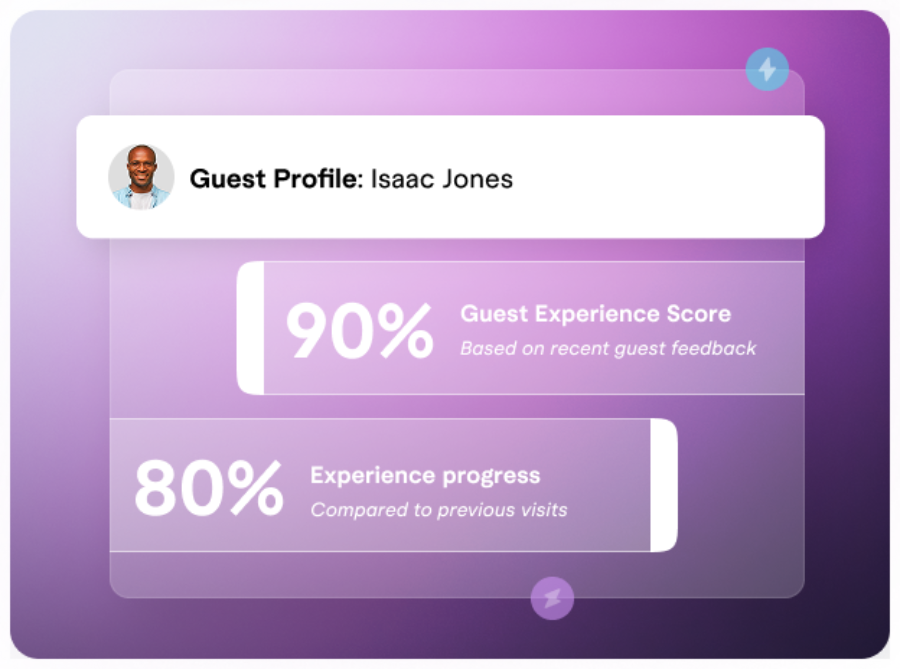
The hospitality brands trying to get personalisation right understand one crucial truth: it’s not about collecting more data. It’s about using the data that is already being captured, in more places.
In luxury hotels, they recognise the importance of personal attention, and with technology this is now accessible in a lighter touch way for mid market brands.
Great personalisation in hospitality will look like:
Remembering what matters – When a guest who enjoyed a particular wine returns, ask if they would like it again. When a regular celebrates their birthday at your venue, you remember it the following year without them having to mention it again and reach out to wish them the best.
Acknowledging history – A guest on their fifth visit receives a different greeting than someone walking in for the first time. Returning guests don’t have to re-explain their preferences or dietary requirements, front of house staff know what to do.
Respecting preferences – If a guest prefers the quieter sections, or wants all the items to come out as they are ready, or has a family – these all lead to more genuine conversations on each visit, and in subsequent survey questions and feedback follow up.
Timing communications perfectly – Every guest has multiple occasions each year when they are planning to drink or dine out. Getting the timing right at an individual level is more important for capturing a booking than the creative or content. Birthday greetings arrive a couple of weeks before the day. Re-engagement offers reach lapsed guests before they’ve forgotten about you entirely.
Notice what’s missing from this list: complex AI algorithms, expensive technology platforms, or invasive data collection.
The best personalisation in hospitality comes from creating shared institutional memory at scale. Every bit of information about a guest is available for use by each venue and in all outbound brand or venue comms.
The Power of Automated Guest Journeys
Here’s where data-driven personalisation becomes truly scalable: automation.
Manual personalisation works beautifully when you have 10 regular guests. It becomes impossible when you have 1,000.
The starting point is to make sure the basic automations are in place and then layer on more personalisation.
Welcome sequences – First-time guests receive a warm follow-up thanking them for visiting and inviting them back, perhaps with a small incentive to encourage that crucial second visit.
Birthday and anniversary campaigns – Guests automatically receive recognition on important dates, with offers that feel special to that occasion rather than transactional.
Re-engagement flows – When regular guests haven’t visited in their typical timeframe, they receive a friendly check-in or relevant offer to bring them back.
Feedback loops – Post-visit surveys arrive at the optimal time to capture fresh impressions while the experience is still memorable.
Milestone recognition – Celebrating a guest’s fifth visit, tenth booking, or first full year as a regular visitor strengthens emotional connection to your brand.
The beauty of automation is that it handles the timing and triggering, while the personalisation comes from using actual guest data to make each message relevant. Once set up, these automations should require very little time to maintain, they just run themselves as new data is collected and guests move through the customer life cycle stages.
From Data Collection to Actionable Insight
Marketing automation for restaurants is beginning to solve real challenges for operators, however it does solve collecting data, as that typically happens automatically. The challenge is making all the data available and usable. This is where marketing automation is beginning to make a meaningful difference. Especially using restaurant AI software to spot patterns, or evaluate the intent of each guest who has made an enquiry etc, and their likelihood of completing the reservation
This transformation requires:
Asking the right questions – Instead of “how many bookings did we get?” ask “how many second visits are we generating from first-time guests?” Instead of “what was our average spend?” ask “which guest segments show the highest lifetime value?”
Understanding behaviour patterns – Look for trends in visit frequency, booking preferences, spending habits, and seasonal patterns. These patterns reveal opportunities to engage guests more effectively.
Segmenting thoughtfully – Not all guests should receive the same treatment. VIPs, regulars, occasional visitors, and lapsed guests each need different approaches. Segmentation makes personalisation possible.
Testing and learning – Data-driven personalisation improves through experimentation. Test different messaging, offers, and timing to discover what resonates with different guest segments.
Building long-term strategy – Personalisation is a compounding advantage that builds over time as you learn more about your guests and refine your approach.
The operators who excel at this treat guest data as a strategic asset, not just an administrative necessity. They invest in the people, processes, and systems needed to turn information into insight.
The Technical Gap in Hospitality
Perhaps the biggest barrier to effective personalisation isn’t technology, but having the technical understanding of how to stitch data and systems together and then being able to explain this to suppliers, until they do the things you require.
Choosing the right restaurant marketing software can help make this easier. Then, the challenge is to stop approaching marketing based on what has been done in the past. It would be better to map the guest journey, and then identify every point in that journey, and decide how you want to personalise it. And then list where the data is stored, and make a plan for how to combine that data in order to enable your new personalised use cases.
Sticking to the style of current marketing used in hospitality runs the risk of:
Offer fatigue – Blasting the same discount to your entire database devalues your brand. It also ignores the fact that every guest is different, no guest without children is responding positively to kids eat for £1 etc.
Overwhelming frequency – Sending too many generic messages drives unsubscribes and damages the relationship. Personalised, relevant communications can be more frequent because they provide actual value.
The return on personalisation isn’t always immediate or directly attributable to a single campaign. It shows up in improved retention rates, higher lifetime value, and reduced acquisition costs over time. This is clear in other industries, but has not really been proven in hospitality yet.
There’s a critical need for a push across the hospitality industry about:
- The long-term value of personalised guest relationships
- How to measure success beyond single conversions
- The difference between personalisation and invasion of privacy
- Best practices for respectful, value-driven guest communication
The brands investing in this education (for both their teams and their industry peers) will build sustainable competitive advantages. The more individually valued guests feel, the better their experience will be, and the more return visits they will make.
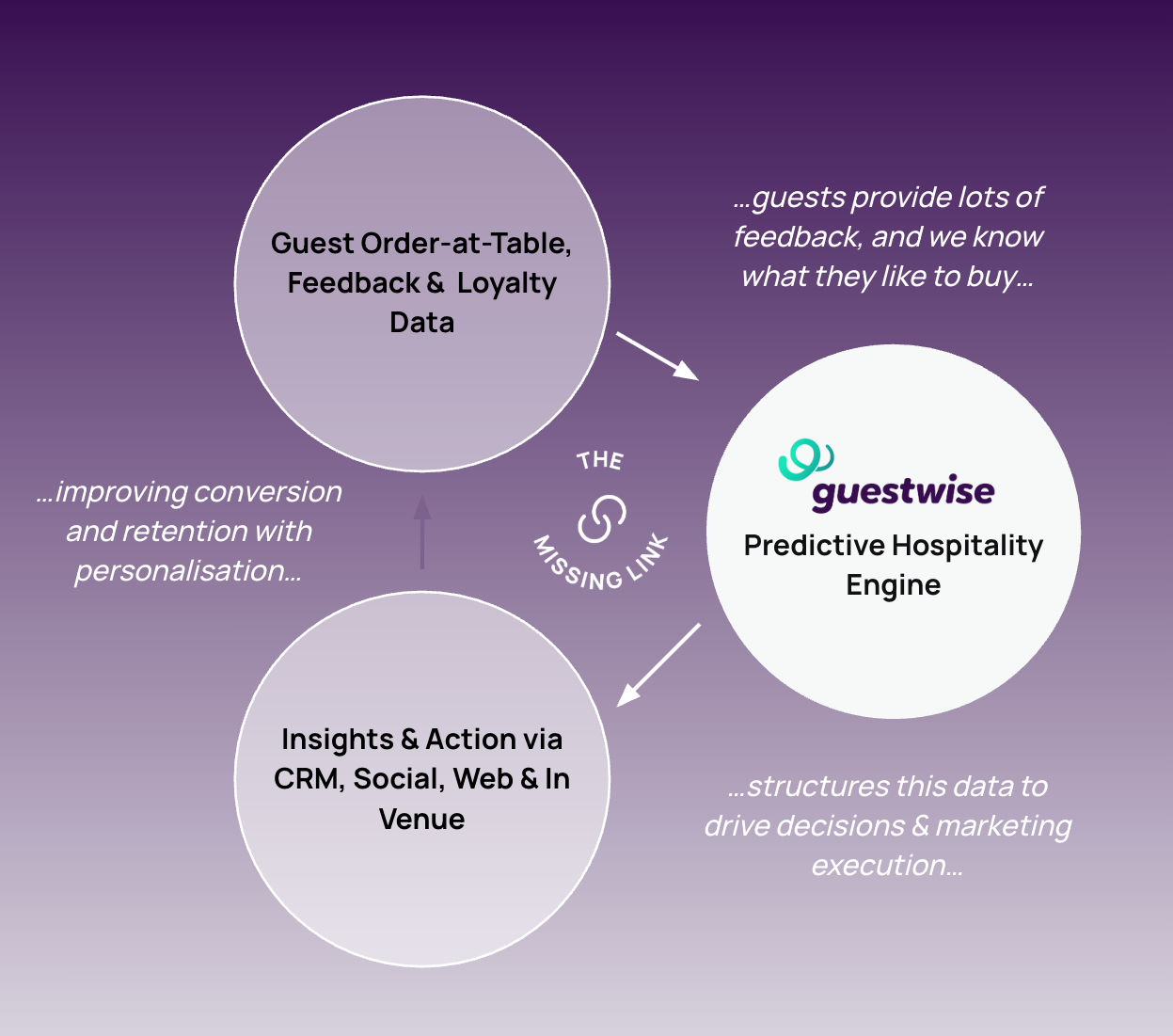
It really is a flywheel of data collection, data usage, and relationship building – and when team members see the impact on guests, they will be motivated to get to know guests better, and log that information they collect back in the ‘store of institutional memory’, which could be CRM or the Booking system, or some other platform.
The Path Forward
Data-driven personalisation in hospitality is about:
- Unifying what you already know into a single, actionable view of each guest
- Using that knowledge to create experiences that make people feel recognised and valued
- Balancing consistency with meaningful personalisation that respects local context and individual preferences
- Automating the mechanics while keeping the human touch that defines great hospitality
- Building long-term strategy around guest lifetime value rather than short-term transactions
- Educating your team on why personalisation matters and how to do it well
The hospitality brands that master this balance will build deeper guest relationships, command higher loyalty, and drive more sustainable growth through making guests feel known and valued, like more than just another booking.
At the end of the day, the best hospitality has always been personal. Technology should simply help you scale what great operators have always done naturally: remember your guests, understand what they like and don’t like, and make them feel at home.
Restaurant AI software is what makes this shared memory accessible and actionable across venues and communications
The data is already there. The question is: can you use it?
If you’re looking to turn fragmented guest data into clear, actionable growth strategy, explore how Guestwise approaches it at guestwise.tech.